What to Store in a Safe Deposit Box and What Not To
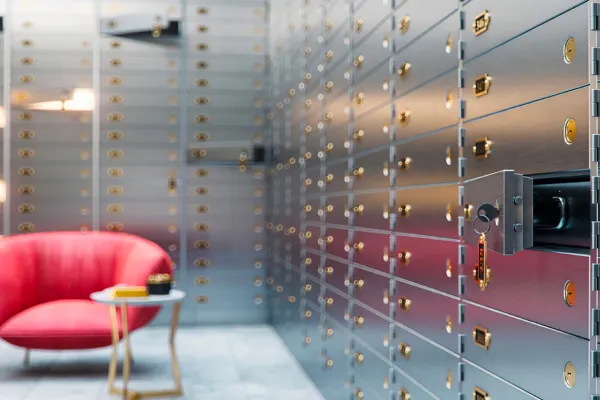
Safe deposit boxes have been used for many years to keep precious items, yet many people are still not sure what actually belongs inside one. Some people treat it like a vault for everything valuable, while the others rent a safe deposit box and barely use it at all. That’s not the right way to use a safe deposit box as it is something that works best when it is used with intention. A safe custody box is designed for protection, not for convenience, and what makes all the difference is knowing what to store in it and what to keep elsewhere.
What a Safe Deposit Box Is Best Used For
There are some things you don’t need every day but it would be a serious headache if you lose them somehow. A safe deposit box is meant to protect such items that are difficult or impossible to replace and keeping them in a home safe can be risky. A safe deposit box is designed to reduce the risk of fire, theft, water damage, and some accidents that are common at homes. But a safe deposit box is designed to protect precious things, it is not for items which you need often. Knowing what belongs inside a safe custody box and what doesn’t is what turns it into a smart decision rather than a symbolic one.
What You Should Store in a Safe Deposit Box
If you make the right storage choice, it will help you to avoid stress later that can come with an uninformed decision. Have a look at some of the most common things for which a safe deposit box is especially designed for.
- Important Legal Documents
There are many important legal documents that you don’t need frequently, but you can’t afford to lose the original paper no matter how many xerox or digital copies you have. These legal documents can be property deeds, birth, marriage, and adoption certificates, trust papers and wills. Replacing such documents can be expensive and time-consuming, especially after a loss or emergency. So it is one of the smartest uses of safe deposit boxes to keep original paperwork in a document storage box and keep their copies at home.
- High-Value Jewelry and Watches
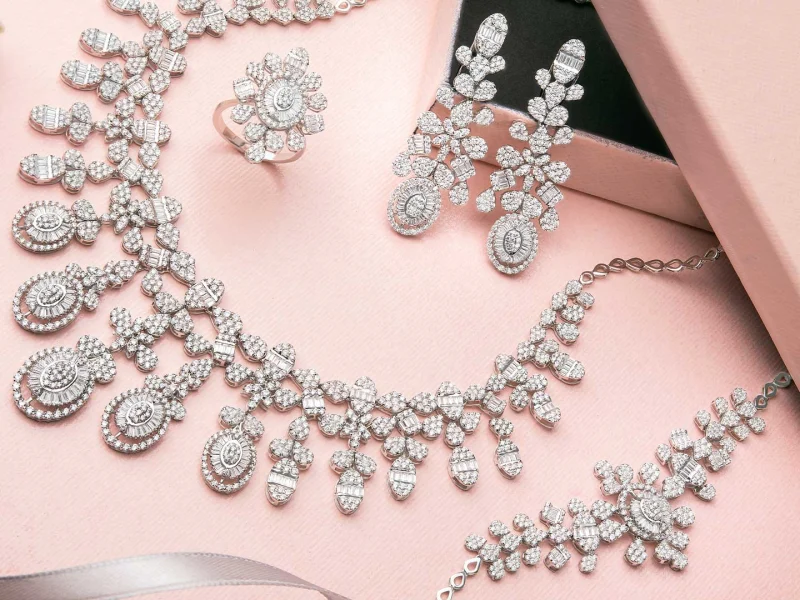
People have many items with emotional or financial value like family heirlooms and sentimental pieces that they don’t wear regularly but cherish the most. It could be anything like inherited jewelry, rare watches, antiques, or any high value jewellery that would be hard to insure properly at home. Such high value possessions are ideal to keep in a safe custody box as they need high security and you don’t need to access them often.
- Rare or Collectible Items
Many people like to have some rare items like coins, stamps, or small collectibles which need a controlled environment and professional security. As long as the items fit safely and don’t require frequent handling, a safe deposit box is often a better choice than home storage.
- Financial Records You Rarely Need
If you are an investor, you may have some financial records like certificates, short term and long-term investment documents that you rarely need. You can store such financial records in a safe deposit box to reduce the risk of loss or theft at home. You can keep a copy at home and the original one in secure Vault storage so that you can have the peace of mind.
- Digital Backups
Encrypted USB drives or hard drives containing backups of important files can be stored in a safe deposit box as a last-resort safeguard. You don’t need them very often but they are particularly useful for personal records, scanned documents, or business archives.
What You Should NOT Store in a Safe Deposit Box
Here we have brought up items that should not be stored in a safe deposit box.
- Cash
The most common mistake people often make is they rent a safe custody box to store cash which is definitely not the right place to do so. Cash is not usually insured inside a safe deposit box, and access restrictions can also be a problem in case of emergencies. So you should avoid storing cash in a safe deposit box and better to keep it at home safe, so you can access your money within minutes whenever you need.
- Items You Need Regular Access To
A safe deposit box is designed with the thought of protecting valuable, not for accessibility. So keeping items like jewellery you wear on a daily basis and business documents in active use are not something you should store in a safe deposit box. In short, if you find yourself needing an item every week, it’s better to keep it at home in a secure safe.
- Original Wills
You should avoid storing the only original copy of a will in safe deposit boxes as they can sometimes delay access when you need it the most. It is better to keep the original with your lawyer and store a copy in the box or home safe instead so that you can quickly get them in case of emergency.
- Perishable Or Hazardous Items
Many traditional banks and private vault providers like IBV International Vaults have strict rules about what can be stored in their safe deposit box or what not. Any perishable or hazardous items that can leak, decay, or pose a risk like a firearm does not belong in a safe deposit box.
- Items Not Covered by Insurance
If you have any item you are not sure about whether it is insured or legally permitted, you should avoid storing them in safe deposit boxes. You should first check the terms and come clear about the ownership or coverage, so that you can peacefully have your items.
Final Thoughts
Safe deposit boxes are not just a place for hiding everything you own, it only works best when you use it strategically. It can reduce risk, saves time, and removes a layer of worry from your life if used properly. But, if you don’t make the most of your safe deposit box, it would be no more than an expensive drawer you forget about.